

PaTaverns Testifies On Stop-and-Go Legislation
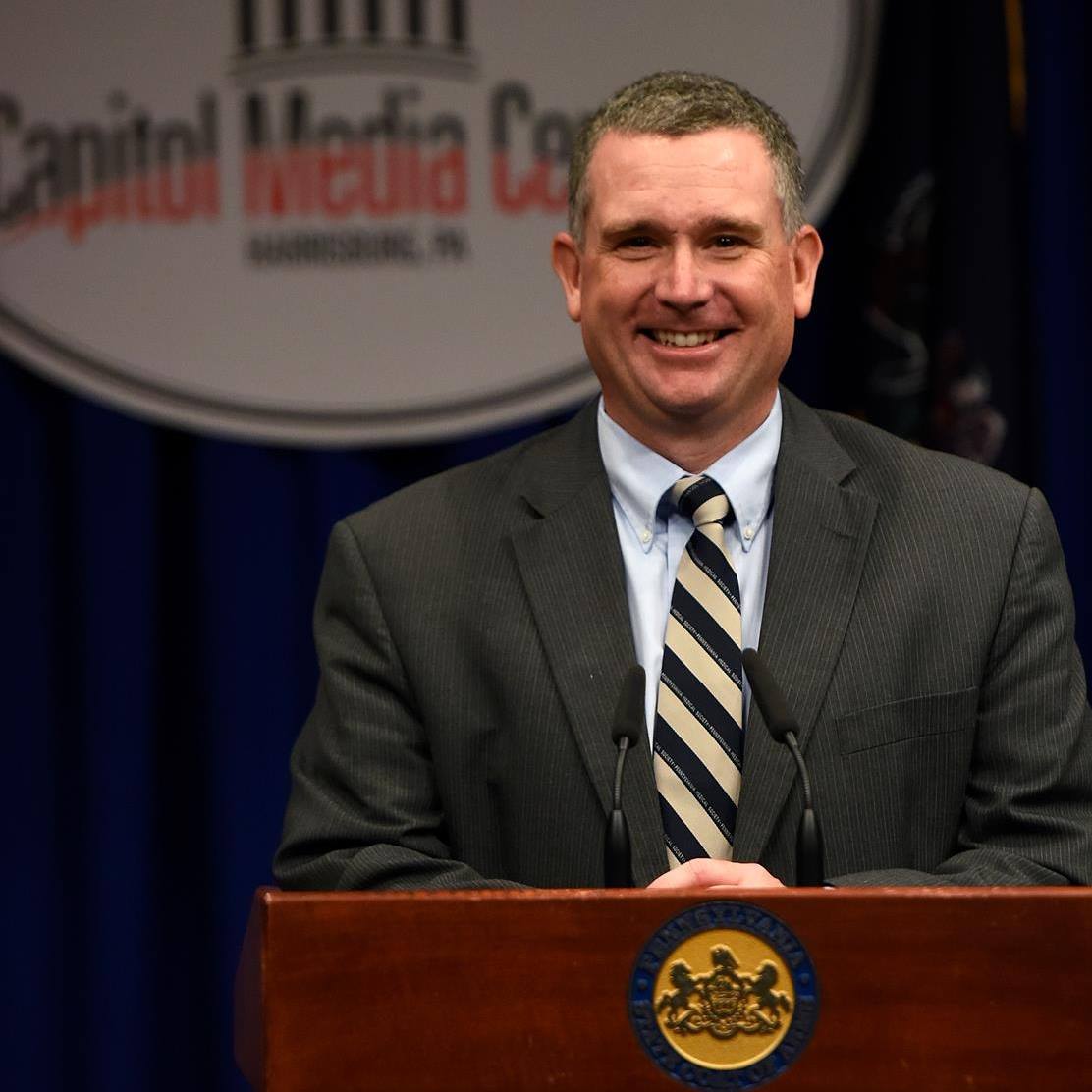 The following is testimony on HB 1413, a bill to address problematic “Stop-and-Go” establishments. The testimony was provided to the House Liquor Control Committee by Chuck Moran, executive director of the Pennsylvania Licensed Beverage and Tavern Association, on February 10, 2026.
Chairman Deasy. Chairwoman Fee. Members of the House Liquor Control Committee, thank you for inviting the Pennsylvania Licensed Beverage and Tavern Association to provide testimony on a concerning issue and related legislation. That issue is what we all know as “Stop and Go’s.” We commend the chair and members for taking this problem seriously and working to do something to take state action to get these places under control or closed where appropriate.
The PLBTA, often just called the Pennsylvania Tavern Association, represents Pennsylvania’s small business, family-owned taverns, bars, and licensed restaurants.
It wasn’t long ago that we testified in Philadelphia in front of the Stop and Go Legislative Task Force. Most of what I’m about to say we included in that testimony. This time I will focus our testimony on specific parts of HB 1413.
But, since this issue originates in Philadelphia, I want to first mention another growing issue that I’m hearing about from my Philadelphia Members. There is growing concern about the use of fake IDs that are so good that they can trick a scanning device. We’re no longer talking about your father’s fake ID that were easy for bouncers and bartenders to identify. One of my Members is so concerned that they could be tricked into serving a minor that they no longer allow anyone under the age of 25 in their establishment. This establishment took that measure to protect their community and their license, while turning away legal business from those age 21 to age 24. It’s simply too easy for an 18-year-old to get a fake ID through websites. I hope at some point the legislature will look at this issue.
Now, back to the stop-and-go issue.
In a nutshell, stop-and-go’s are businesses, often a convenience store or deli, that somehow found a way to qualify for and purchase a liquor license. We only hear about this issue in Philadelphia. They regularly violate well-known and established parts of the liquor code such as food requirements and seating, and it’s not unusual for them to serve minors and VIPs. Furthermore, there has been a history of health and safety issues within these businesses despite the requirement that they have current and valid health licenses. The negative things happening inside these establishments act like a magnet to bring the wrong crowds that can be associated with criminal activity such as illegal drugs and gang activity, negatively impacting nearby neighborhoods.
As an association representing small business bars, taverns, and licensed restaurants, we wonder how these businesses ever qualified for a liquor license in the first place. For sure, they’re giving all R, H, and E licensees a black eye and that needs to change.
HB 1413 would make changes in several areas that could be helpful.
First, HB 1413 will strengthen the compliance program, essentially reinforcing what R licenses across the state are already doing.
For example, the overwhelming majority of R, H, and E licenses have food menus with many options, and offer plenty of seating to serve no less than 30 individuals. These are base standards for the industry in Pennsylvania that seem to be regularly violated by stop-and-go locations. And again, we wonder how those establishments ever qualified for a liquor license.
HB 1413 tweaks the liquor code to require substantial food offerings to constitute a meal. It also reinforces seating for 30 patrons when alcohol is sold. Since law-abiding R, H, and E licensees are already doing that, we don’t see this as a problem, and can support it.
This bill also increases fines for all citations. At the moment, fines can be as low as $50 and as high as $5,000 for the most serious violations such as serving minors. That range was probably considered high when those levels were decided a long time ago, so it’s understandable that those fines should be under consideration for increases. So, we can support those changes.
The one area of HB 1413 where we remain cautious is the proposal to eliminate de novo review at the County Court of Common Pleas.
Under current law, local judges have the ability to hear these cases fresh — to consider new evidence, listen to local law enforcement, neighborhood residents, and licensees, and make independent findings of fact based on conditions in their communities.
That local perspective matters.
Common Pleas judges understand the unique dynamics of communities across the state in a way that a statewide appellate court simply cannot. Removing this step does not just change a legal process — it removes a layer of community-based accountability.
While we appreciate the desire to streamline enforcement and reduce delays, efficiency should not come at the expense of due process or local decision-making. Licensees would lose an established legal right, and communities would lose a forum where local impacts can be fully heard.
We also note that either party already retains the ability to appeal to Commonwealth Court, meaning there is already a mechanism for statewide consistency.
For these reasons, we remain neutral on this provision and respectfully suggest continued dialogue on alternatives — such as expedited Common Pleas timelines or targeted application to chronic violators — that preserve local authority while improving enforcement efficiency.
Finally, while Liquor Code reform is an important step, Stop-and-Go locations reflect broader challenges involving community health, crime, and illegal drug activity. Simply removing a liquor license may not fully resolve these problems. Without strong local policing and coordinated neighborhood interventions, bad actors often resurface elsewhere.
We thank the Committee for including the Tavern Association in this discussion and reaffirm our commitment to working collaboratively with the General Assembly and the PLCB on solutions that clean up problem locations while protecting responsible small businesses across Pennsylvania.
# # #